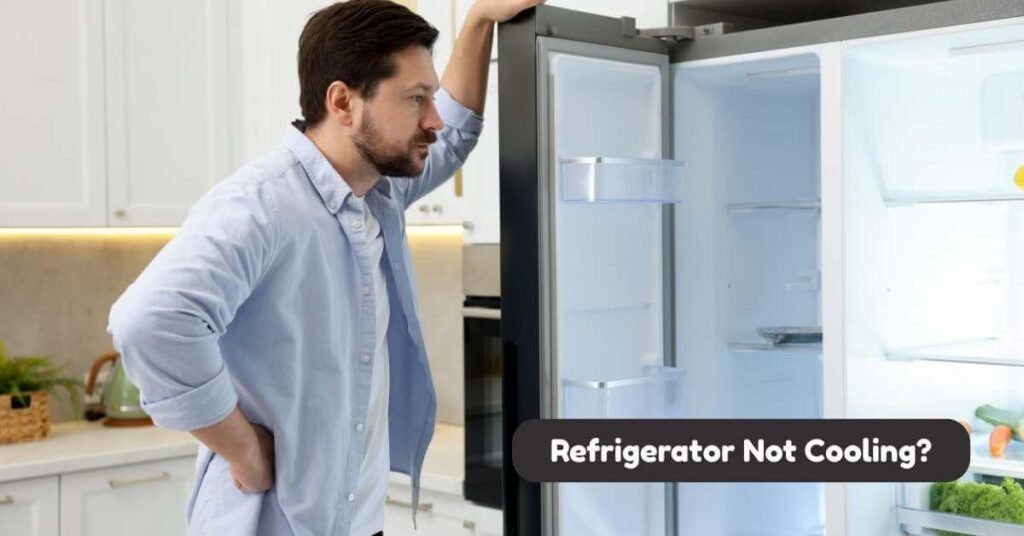
Imagine opening your refrigerator in the morning to grab milk for coffee, only to realize everything inside feels warm. For many homeowners in Moreno Valley, this situation can quickly become frustrating. A refrigerator that suddenly stops cooling can lead to spoiled food, wasted groceries, and unnecessary stress in the kitchen.
Modern households depend on several appliances every day, including refrigerators, washers, dryers, dishwashers, ovens, freezers, and stoves. When one of these appliances stops working properly, especially the refrigerator, it disrupts your entire routine. A refrigerator not cooling is one of the most common appliance issues technicians see in homes throughout Moreno Valley, and it can be caused by anything from dirty condenser coils to a failing compressor.
While some cooling problems are simple maintenance issues, others require professional diagnosis and repair. If your fridge is running but the interior isn’t cold, understanding the potential causes can help you determine the next step.
Why Is My Refrigerator Not Cooling Properly?
A refrigerator not cooling properly is usually caused by problems in the appliance’s cooling system. Common issues include dirty condenser coils, a faulty thermostat, a malfunctioning evaporator fan, low refrigerant, or a failing compressor. These components work together to circulate cold air, so when one fails, the refrigerator may run but the interior won’t stay cold.
How a Refrigerator Cooling System Works
Before diving into specific problems, it helps to understand how a refrigerator actually keeps food cold. Most modern refrigerators use a closed-loop cooling system that moves heat out of the appliance and circulates cold air inside. When any part of this system fails, homeowners often notice the classic refrigerator not cooling problem.
Several key components work together to maintain the proper temperature inside the refrigerator and freezer compartments.
Compressor
The compressor is the heart of the refrigerator’s cooling system. It compresses the refrigerant gas and pushes it through the cooling system so heat can be removed from the interior of the fridge.
When the compressor runs properly, refrigerant circulates through the system and cooling occurs. If the compressor fails or struggles to start, the refrigerator may run but fail to cool effectively.
Common compressor-related symptoms include:
- Refrigerator warm inside
- Loud clicking noises from the back of the unit
- Compressor repeatedly trying to start
Because compressors are complex components, they typically require professional repair or replacement.
Condenser Coils
The condenser coils release heat collected from inside the refrigerator. These coils are usually located either behind the refrigerator or underneath it.
When refrigerant passes through the condenser coils, the heat dissipates into the surrounding air. However, if these coils become covered with dust, grease, or pet hair, heat cannot escape properly.
Dirty condenser coils are one of the most common reasons a fridge not cold problem occurs.
Cleaning the coils regularly helps maintain proper cooling performance and improves energy efficiency.
Evaporator Fan
The evaporator fan is responsible for circulating cold air throughout the refrigerator and freezer compartments.
After refrigerant absorbs heat inside the evaporator coils, the fan pushes cold air through vents into the fridge section. If the evaporator fan stops working, cold air cannot move effectively.
This often causes a situation where:
- The freezer may still be cold
- The refrigerator compartment becomes warm
A faulty fan motor or blocked airflow can cause this issue.
Thermostat
The thermostat monitors the internal temperature of the refrigerator and tells the cooling system when to turn on or off.
When the temperature inside the fridge rises above the set level, the thermostat signals the compressor and fans to start cooling again.
If the thermostat becomes defective, it may fail to activate the cooling cycle, which can lead to inconsistent or inadequate cooling.
Refrigerant
The refrigerant is the chemical fluid that makes the cooling process possible. It absorbs heat from inside the refrigerator and releases it through the condenser coils.
Refrigerant constantly cycles through four main stages:
- Compression
- Condensation
- Expansion
- Evaporation
If refrigerant levels become low due to a leak, the cooling process becomes inefficient and the refrigerator may struggle to maintain cold temperatures.
Understanding how these components work together makes refrigerator troubleshooting much easier. In the next section, we’ll look at the most common reasons homeowners experience a refrigerator that stops cooling.
9 Most Common Reasons a Refrigerator Stops Cooling
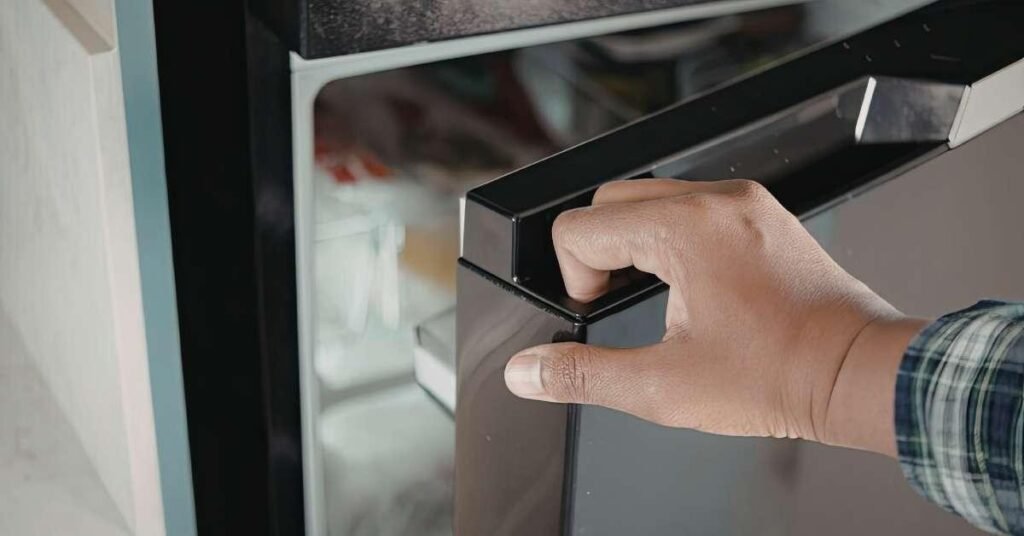
When a refrigerator not cooling problem occurs, it usually means something in the cooling system is preventing proper airflow or heat removal. While some issues are minor and easy to fix, others may require professional diagnosis. Below are the most common causes appliance technicians see when performing refrigerator repair Moreno Valley service calls.
1. Dirty Condenser Coils
One of the most frequent causes of cooling problems is dirty condenser coils. These coils release heat from the refrigerator, but when they become covered in dust or debris, the heat cannot escape efficiently.
Common symptoms include:
- Refrigerator running constantly
- Interior temperature slowly rising
- Increased energy bills
Cleaning condenser coils every 6–12 months can help prevent this issue.
2. Faulty Thermostat
The thermostat controls the internal temperature of your refrigerator. If it becomes faulty, it may fail to signal the cooling system to turn on.
Signs of a bad thermostat include:
- Refrigerator lights working but no cooling
- Temperature settings not responding
- Compressor not activating
In many cases, replacing the thermostat restores normal cooling.
3. Broken Evaporator Fan
The evaporator fan circulates cold air from the freezer compartment into the refrigerator section. If this fan stops working, cold air cannot move properly through the appliance.
Typical symptoms include:
- Freezer cold but refrigerator warm
- Weak airflow from interior vents
- Unusual humming or grinding sounds
A malfunctioning evaporator fan motor usually requires replacement.
4. Refrigerant Leak
The refrigerant is essential for absorbing heat and producing cold temperatures. If the refrigerant level drops due to a leak, the cooling process becomes inefficient.
Warning signs of a refrigerant leak include:
- Refrigerator running constantly
- Fridge not reaching cold temperatures
- Frost forming on evaporator coils
Because refrigerant systems are sealed, these repairs must be handled by trained professionals.
5. Failing Compressor
The compressor pumps refrigerant through the cooling system. When the compressor begins to fail, the refrigerator may struggle to maintain cold temperatures or stop cooling entirely.
Symptoms may include:
- Loud clicking noises from the back of the refrigerator
- Compressor overheating
- Refrigerator completely warm
Compressor replacement is one of the more complex repairs and should always be performed by experienced technicians offering trusted refrigerator repair in Moreno Valley.
6. Blocked Airflow Inside the Refrigerator
Air must circulate freely inside the refrigerator to maintain consistent temperatures. When food containers block air vents, cold air cannot move properly.
This can lead to:
- Uneven cooling
- Some food freezing while other items stay warm
- Reduced airflow inside the fridge
Avoid overpacking your refrigerator and ensure vents remain clear.
7. Frost Buildup on Evaporator Coils
Refrigerators include an automatic defrost system that prevents ice buildup. If the defrost system fails, frost can accumulate on the evaporator coils and block airflow.
Signs of this issue include:
- Ice buildup in the freezer
- Refrigerator section becoming warm
- Poor airflow from vents
Defrost system repairs often involve replacing the defrost heater, sensor, or timer.
8. Worn or Damaged Door Gaskets
The rubber door seals, also called gaskets, keep cold air inside the refrigerator. When these seals become cracked or loose, warm air enters the appliance and disrupts cooling.
Symptoms include:
- Moisture or condensation inside the fridge
- Refrigerator running constantly
- Frost forming near the door edges
Replacing worn door gaskets can restore proper cooling efficiency.
9. Control Board Malfunction
Modern refrigerators rely on electronic control boards to regulate cooling cycles and coordinate components like the compressor and fan motors.
When the control board fails, it may cause:
- Inconsistent cooling
- Fans or compressor not activating
- Random temperature changes
Electronic failures require diagnostic testing by a professional appliance technician.
Understanding these common causes can help homeowners identify why their fridge not cold problem is occurring. In the next section, we’ll look at a specific situation many homeowners encounter: when the freezer works but the refrigerator compartment stays warm.
Refrigerator Not Cold but Freezer Works – What It Usually Means
One of the most confusing appliance issues homeowners face is when the freezer stays cold but the refrigerator section becomes warm. At first glance, it may seem like the refrigerator is working properly because ice remains frozen, but this situation usually indicates a problem with airflow or internal components.
In most modern refrigerators, the freezer actually produces the majority of the cold air. That cold air is then circulated into the refrigerator compartment by the evaporator fan through a system of vents. If something disrupts this airflow, the freezer may remain cold while the refrigerator warms up.
Several problems can cause this situation.
Blocked Air Vents
Air vents allow cold air to move between the freezer and refrigerator compartments. When food containers or packaging block these vents, cold air cannot circulate properly.
This can lead to:
- Refrigerator section warm
- Uneven cooling inside the fridge
- Food near vents freezing while other items stay warm
Keeping space around the vents helps maintain proper airflow.
Evaporator Fan Failure
The evaporator fan is responsible for pushing cold air from the freezer into the refrigerator. If the fan motor stops working or becomes weak, cold air will remain trapped in the freezer.
Common signs of a failing fan include:
- Freezer cold but fridge not cooling
- Weak or no airflow from refrigerator vents
- Unusual humming or buzzing noises
This issue often requires professional repair.
Defrost System Problems
A malfunctioning defrost system can cause frost to build up on the evaporator coils. When this happens, airflow becomes blocked and the refrigerator compartment cannot receive enough cold air.
Symptoms include:
- Thick frost buildup in the freezer
- Refrigerator temperature rising
- Cooling improving temporarily after manual defrosting
Because the defrost system includes several components, proper diagnosis is important.
In many cases, problems that affect airflow also impact other freezer-related features like ice production. If your refrigerator cooling issue is connected to freezer performance or ice maker problems, professional inspection may be required. You can learn more about common freezer-related issues here:
Understanding the relationship between the freezer and refrigerator compartments can make refrigerator troubleshooting much easier. In the next section, we’ll go over several simple troubleshooting steps homeowners can try before calling a technician.
Refrigerator Troubleshooting Steps Homeowners Can Try

If you’re dealing with a refrigerator not cooling, there are a few simple troubleshooting steps you can try before scheduling professional service. Many cooling problems are caused by airflow restrictions, incorrect settings, or basic maintenance issues. Performing a quick inspection can sometimes restore normal cooling.
Below are several practical refrigerator troubleshooting steps homeowners in Moreno Valley can try.
1. Check the Temperature Settings
Start by verifying the refrigerator’s temperature settings. Sometimes the thermostat can accidentally be changed when adjusting shelves or placing food inside.
Recommended temperature settings:
- Refrigerator: 37°F to 40°F
- Freezer: 0°F
If the temperature is set too high, the refrigerator may not stay cold enough.
2. Clean the Condenser Coils
Dirty condenser coils are one of the most common reasons a fridge stops cooling efficiently. Dust and debris prevent heat from escaping, which forces the refrigerator to work harder.
Steps to clean the coils:
- Unplug the refrigerator
- Locate the coils (behind or underneath the unit)
- Use a vacuum or coil brush to remove dust and dirt
Cleaning the coils every 6–12 months can significantly improve cooling performance.
3. Inspect Interior Air Vents
Cold air needs to circulate freely inside the refrigerator. If food containers block the vents, airflow becomes restricted and cooling becomes uneven.
Check that:
- Vents are not covered by food containers
- Shelves are not overpacked
- Cold air can move between compartments
Proper airflow helps maintain consistent temperatures throughout the appliance.
4. Examine the Door Seals
The rubber door gasket prevents warm air from entering the refrigerator. If the seal becomes loose or cracked, cold air escapes and the refrigerator struggles to maintain temperature.
You can perform a simple paper test:
- Place a sheet of paper between the door and the frame
- Close the door
- Try pulling the paper out
If the paper slides out easily, the gasket may need replacement.
5. Reset the Refrigerator
Occasionally, electronic glitches can affect the refrigerator’s control system. A simple reset may resolve the issue.
To reset your refrigerator:
- Unplug the appliance
- Wait about 5 minutes
- Plug it back in
This allows the internal control board to reset and restart the cooling cycle.
6. Check for Ice Maker or Freezer Blockages
Sometimes cooling issues are related to ice buildup or ice maker problems that restrict airflow inside the freezer compartment.
If you notice excessive frost or ice production issues, it may indicate a problem with the ice maker or defrost system. In these cases, homeowners can learn more about possible solutions here:
If these troubleshooting steps don’t solve the issue, the problem may involve internal components such as the compressor, evaporator fan, or refrigerant system. In the next section, we’ll look at warning signs that indicate your refrigerator likely needs professional repair.
Here is a complete guide to Appliance Repair in Moreno Valley, CA
Warning Signs Your Refrigerator Needs Professional Repair
While some cooling problems can be solved with basic maintenance, certain symptoms indicate a deeper issue that requires professional repair. Ignoring these warning signs can lead to more serious appliance damage.
Watch for these common signs:
- Refrigerator running constantly but not cooling
- Loud buzzing, clicking, or grinding noises
- Water leaking around the appliance
- Burning or electrical smell
- Food spoiling quickly
- Freezer cold but refrigerator section warm
If you notice any of these problems, it’s best to have the appliance inspected before the issue worsens. In the next section, we’ll explain when it’s time to call a professional appliance technician in Moreno Valley.
When to Call an Appliance Technician in Moreno Valley

If basic refrigerator troubleshooting doesn’t solve the issue, it’s time to contact a professional appliance technician Moreno Valley. Refrigerators contain complex electrical and cooling systems, and attempting advanced repairs without proper tools can cause further damage.
You should consider calling a technician if:
- The refrigerator is running but not cooling
- The compressor is making loud clicking noises
- The evaporator fan has stopped working
- There may be a refrigerant leak
- Electronic control components have failed
Professional technicians use specialized tools to test electrical systems, airflow, and cooling performance to identify the exact problem. They can also safely repair components such as compressors, thermostats, and fan motors.
If you’re unsure whether repair is the right option, you can also review why many homeowners choose professional appliance repair services.
In many cases, repairing a refrigerator is far more affordable than replacing the entire appliance. In the next section, we’ll look at the typical refrigerator repair costs in Moreno Valley so homeowners know what to expect.
Refrigerator Repair Costs in Moreno Valley, CA
The cost of fixing a refrigerator not cooling can vary depending on the specific problem, the appliance brand, and the parts required. In many cases, repairing a refrigerator is far more affordable than replacing the entire unit, especially if the appliance is less than 10 years old.
Below is a general estimate of common refrigerator repair costs homeowners in Moreno Valley may encounter.
| Repair Type | Estimated Cost |
|---|---|
| Thermostat Replacement | $150 – $300 |
| Evaporator Fan Motor | $200 – $350 |
| Condenser Coil Cleaning | $120 – $200 |
| Refrigerant Recharge | $200 – $500 |
| Compressor Repair/Replacement | $400 – $700 |
Several factors can influence the final repair cost:
- Appliance brand and model
- Availability of replacement parts
- Complexity of the repair
- Age of the refrigerator
A professional technician can inspect the appliance and provide an accurate diagnosis before recommending the best repair option. In many situations, fixing the faulty component restores normal cooling and extends the lifespan of the refrigerator.
In the next section, we’ll look at the appliance brands technicians commonly repair in Moreno Valley homes.
Appliance Brands Technicians Commonly Repair
Professional appliance technicians in Moreno Valley work with a wide variety of refrigerator brands. Each manufacturer uses slightly different components, electronics, and cooling systems, which is why experienced technicians are trained to diagnose multiple brands.
Some of the most common refrigerator brands repaired include:
- GE
- LG
- Whirlpool
- Samsung
- Maytag
- Frigidaire
- KitchenAid
- Bosch
These brands are widely used in homes across Moreno Valley because they offer reliable performance and modern features such as digital temperature controls, ice makers, and smart cooling systems.
However, even high-quality appliances can develop problems over time. Issues like compressor wear, evaporator fan failure, thermostat malfunctions, or refrigerant leaks can affect refrigerators from any manufacturer. When these problems occur, professional diagnosis ensures the correct part is repaired or replaced so the refrigerator can return to normal cooling performance.
Appliance Repair Services in Moreno Valley
Homeowners across Moreno Valley rely on local appliance technicians when refrigerators and other kitchen appliances stop working. Fast, local service helps prevent food spoilage and restores normal kitchen routines quickly.
Appliance repair services are available throughout neighborhoods including:
- Sunnymead Ranch
- Rancho Belago
- Hidden Springs
- Edgemont
- Moreno Valley Ranch
Local technicians understand the common appliance problems homeowners experience in the area and can quickly diagnose issues, faulty compressors, or airflow problems.
How Professionals Diagnose Cooling Problems
When a technician arrives to fix a refrigerator, the first step is a systematic diagnosis. Professionals don’t guess, they test key components to find the exact cause of the problem.
Typical diagnostic steps include:
- Checking temperature levels inside the fridge and freezer
- Inspecting condenser coils and airflow
- Testing the evaporator fan and thermostat
- Examining the compressor and electrical connections
- Checking the refrigerant system for pressure issues
This process helps technicians quickly identify the faulty component and recommend the most effective repair.
Preventing Refrigerator Cooling Problems
Regular maintenance can help prevent many issues that cause a refrigerator not cooling. A few simple habits can keep your appliance running efficiently and extend its lifespan.
Helpful maintenance tips include:
- Clean condenser coils every 6–12 months
- Keep refrigerator temperature around 37°F
- Avoid overpacking the fridge so air can circulate
- Check door gaskets for proper sealing
- Leave space behind the refrigerator for ventilation
Taking these steps can reduce strain on the compressor, improve cooling performance, and help avoid costly repairs in the future.
FAQs
Why is my refrigerator running but not cooling?
If your refrigerator is running but not cooling, the problem may involve dirty condenser coils, a faulty evaporator fan, low refrigerant, or a malfunctioning thermostat. These components are essential for circulating cold air and maintaining the correct temperature.
How much does refrigerator repair cost in Moreno Valley?
Most refrigerator repairs in Moreno Valley typically cost between $150 and $450, depending on the issue, parts required, and the appliance brand.
Is it better to repair or replace a refrigerator?
If the repair cost is less than 50% of the price of a new refrigerator, repair is usually the better option. Many common issues, such as thermostat or fan motor failures, can be fixed quickly.
How long should a refrigerator last?
Most refrigerators last 10–15 years with proper maintenance. Regular cleaning of condenser coils and checking door seals can help extend the appliance’s lifespan.
Can refrigerator repair be done the same day?
Yes. Many appliance repair companies offer same-day or next-day service for common refrigerator problems, especially when replacement parts are readily available.
Get Professional Refrigerator Repair in Moreno Valley
If your refrigerator is not cooling, fast repair can prevent food spoilage and bigger appliance problems. Local technicians in Moreno Valley can quickly diagnose issues with compressors, fans, thermostats, and refrigerant systems.
Don’t wait until the problem gets worse.